
Drawing Of The Cell Cycle
Drawing Of The Cell Cycle - Figure 5 shows approximately how long a cell spends in each stage of the cell cycle: And as we'll see, interphase is where a cell spends most of its life. Web the most basic function of the cell cycle is to duplicate accurately the vast amount of dna in the chromosomes and then segregate the copies precisely into two genetically identical daughter cells. Web the cell cycle is a set of steps cells go through to grow, replicate, divide, and start the process again. Web figure 6.3 a cell moves through a series of phases in an orderly manner. Web g 1 phase. The wiggers diagram highlights the relationship. As viewed in the microscope, the cell cycle is divided into two basic parts: Web the interphase part of the life cycle of a cell. Web phases of the cell cycle. Web myocardiocytes are unique cells found in the heart that are able to independently generate and spread electrical activity from one cell. Web the cell cycle is a set of steps cells go through to grow, replicate, divide, and start the process again. From g0, the cell can undergo terminal differentiation. Web the interphase part of the life cycle of a cell. The cell cycle is an ordered series of events involving cell growth and cell division that produces two new daughter cells. Web the complete cell cycle. Modification of work by roy van heesbeen. Web understanding the organization of the cell cycle has been a longstanding goal in cell biology. Cell cycle in deinococcus radiodurans. At some point, so all of that is interphase. Web understanding the organization of the cell cycle has been a longstanding goal in cell biology. Phase of the cell cycle where the cell grows and makes a copy of its dna: A typical eukaryotic cell cycle is illustrated by human cells in culture, which divide approximately every 24 hours. Web the cell is now preparing for the final stage. In this way, the cell avoids the formation of cancer. The wiggers diagram highlights the relationship. Remember, mitosis is the process of cell division, but it’s just a portion of the full cell cycle. And as we'll see, interphase is where a cell spends most of its life. The mitotic phase follows interphase. Figure 5 shows approximately how long a cell spends in each stage of the cell cycle: It describes the series of events seen when the cell splits into two. During interphase, g 1 involves cell growth and protein synthesis, the s phase involves dna replication and the replication of the centrosome, and g 2 involves further growth and protein synthesis.. The video quality is not the greatest but if you follow along i highlight some key features fo. During interphase, g 1 involves cell growth and protein synthesis, the s phase involves dna replication and the replication of the centrosome, and g 2 involves further growth and protein synthesis. Remember, mitosis is the process of cell division, but it’s just. Cells on the path to cell division proceed through a series of precisely timed and carefully regulated stages of growth, dna replication, and. In the context of the cell cycle, mitosis is the part of the division process in which the dna of the cell's nucleus is split into two equal sets of chromosomes. Cytokinesis is the division of cytoplasm. J wiggers has provided many health care students over the past 100 years with a unique tool to understand the cardiac cycle. A typical eukaryotic cell cycle is illustrated by human cells in culture, which divide approximately every 24 hours. Modification of work by roy van heesbeen. Cytokinesis is the division of cytoplasm into two halves, indicating the end of. Let's draw a timeline for a cell. Web mitosis is a type of cell division in which one cell (the mother) divides to produce two new cells (the daughters) that are genetically identical to itself. Modification of work by roy van heesbeen. Web the complete cell cycle. Cytokinesis is technically a separate set of events to mitosis. However, during the g 1 stage, the cell is quite active at the biochemical level. The series of growth and development steps a cell undergoes between its formation and reproduction: During interphase, g 1 involves cell growth and protein synthesis, the s phase involves dna replication and the replication of the centrosome, and g 2 involves further growth and protein. And green fluorescence indicates microtubules (spindle apparatus). Web the complete cell cycle. Mitosis and interphase.mitosis (nuclear division) is the most dramatic stage of the cell cycle, corresponding to the separation of daughter. The mitotic phase follows interphase. It is a series of stages a cell passes through, to divide and produce new cells. For instance, it might conduct signals as a neuron (like the one in the drawing below) or store carbohydrates as a. This entire process where with the help of one single parent cell a new cell population grows and develops is known as the cell cycle. Web the cell cycle is the sequence of events occurring in an ordered fashion. This process starts as a cleavage furrow between the cells, making it look like the figure 8. Web myocardiocytes are unique cells found in the heart that are able to independently generate and spread electrical activity from one cell. Modification of work by mariana ruiz villareal; This entire process where with the help of one single parent cell a new cell population grows and develops is known as the cell cycle. Web the cell cycle is defined as the events that enable cells to proceed from one cell division event to the next. A typical eukaryotic cell cycle is illustrated by human cells in culture, which divide approximately every 24 hours. Mitosis is nuclear division during. And green fluorescence indicates microtubules (spindle apparatus). It is a series of stages a cell passes through, to divide and produce new cells. For instance, it might conduct signals as a neuron (like the one in the drawing below) or store carbohydrates as a. Web life cycle of the cell onion cells in different phases of the cell cycle.growth in an 'organism' is carefully controlled by regulating the cell cycle. Web phases of the cell cycle. Cells on the path to cell division proceed through a series of precisely timed and carefully regulated stages of growth, dna replication, and nuclear and cytoplasmic division that ultimately produces two identical (clone) cells. Cytokinesis is technically a separate set of events to mitosis. The series of growth and development steps a cell undergoes between its formation and reproduction: So i'm gonna make it like a cycle so it's gonna go back on itself.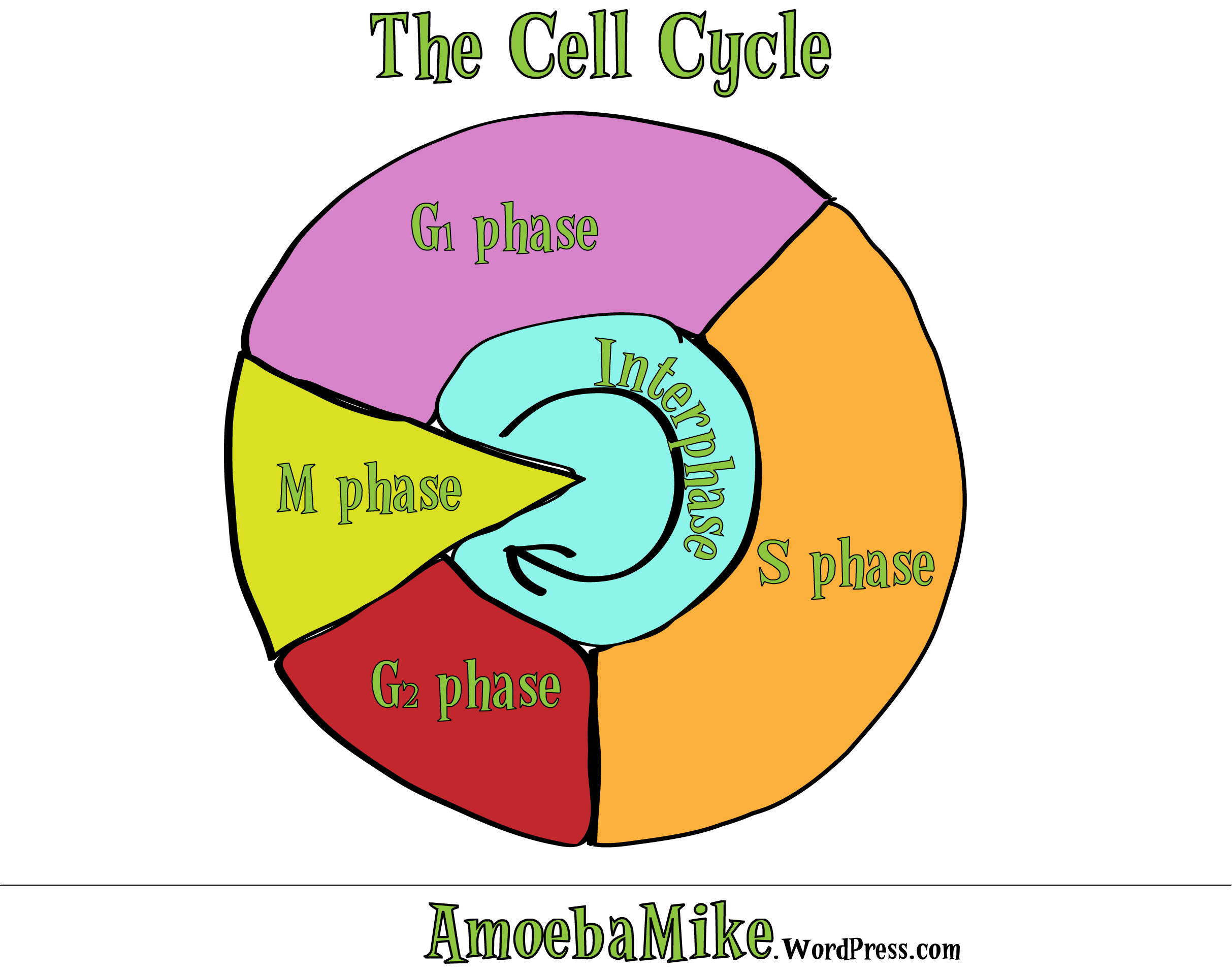
Cell Cycle Drawing at GetDrawings Free download
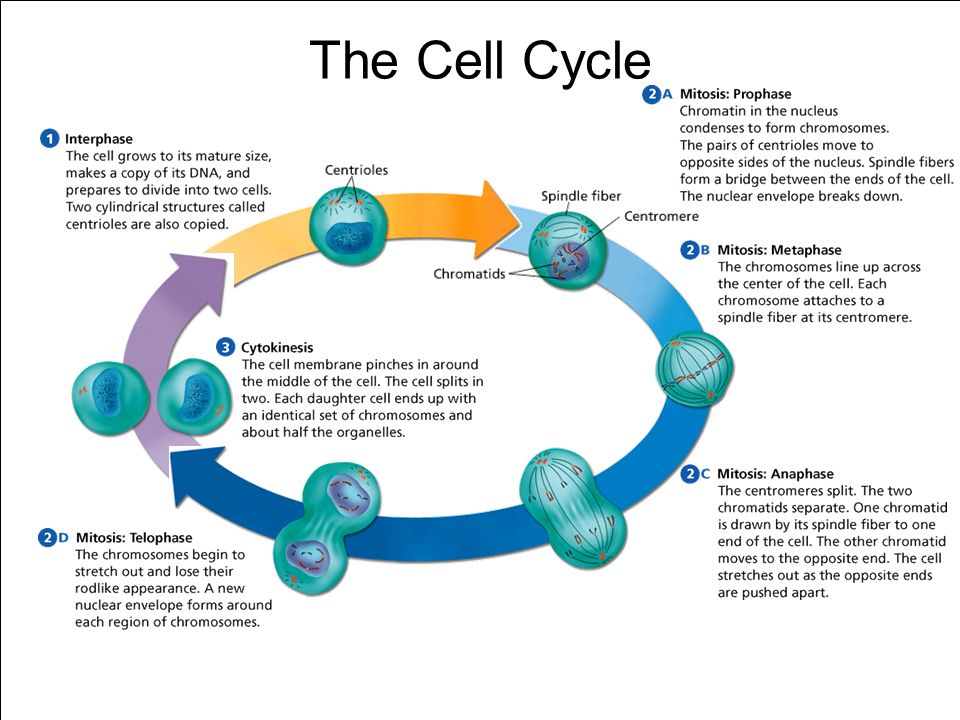
Cell Cycle Drawing at GetDrawings Free download
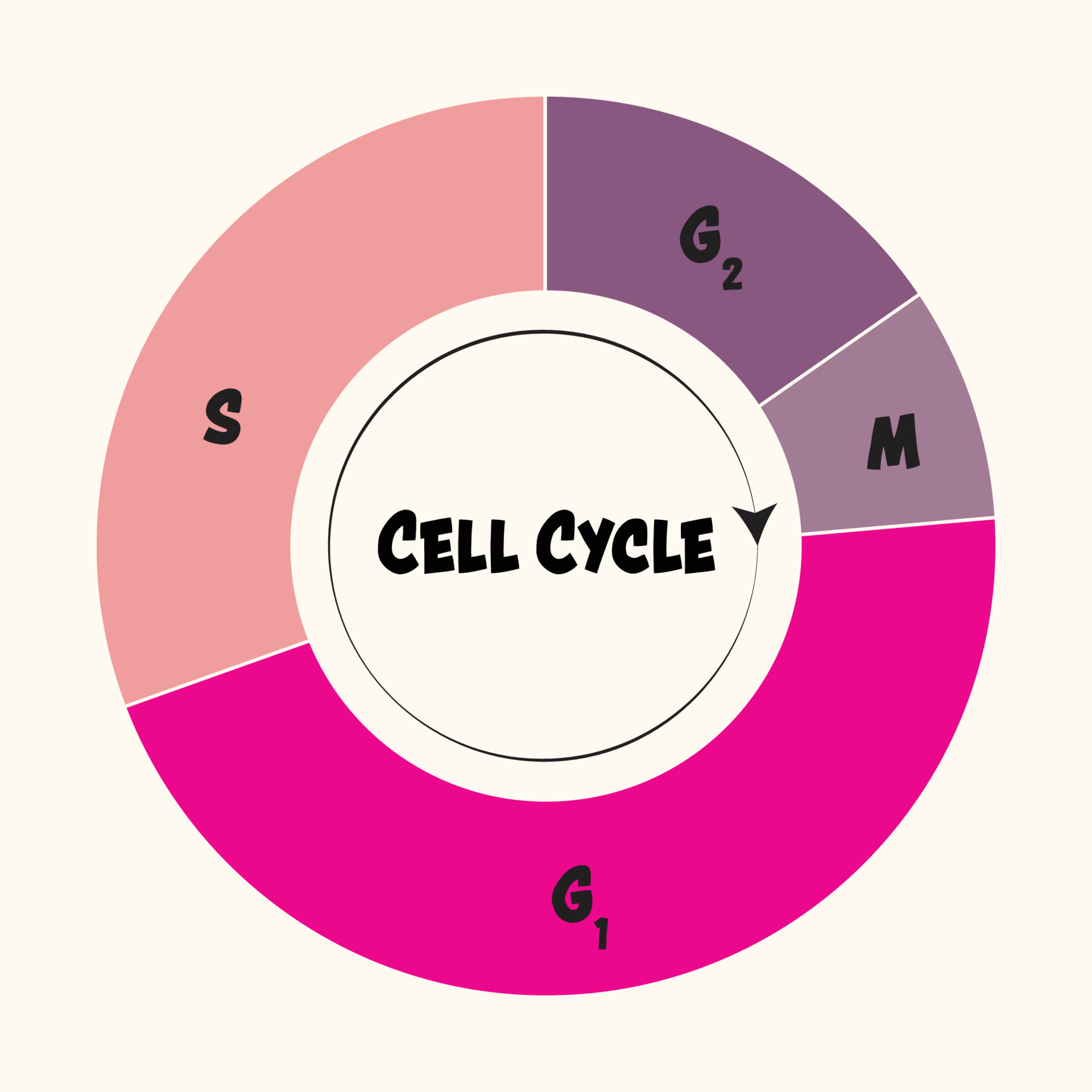
Phases of the cell cycle 6894530 Vector Art at Vecteezy
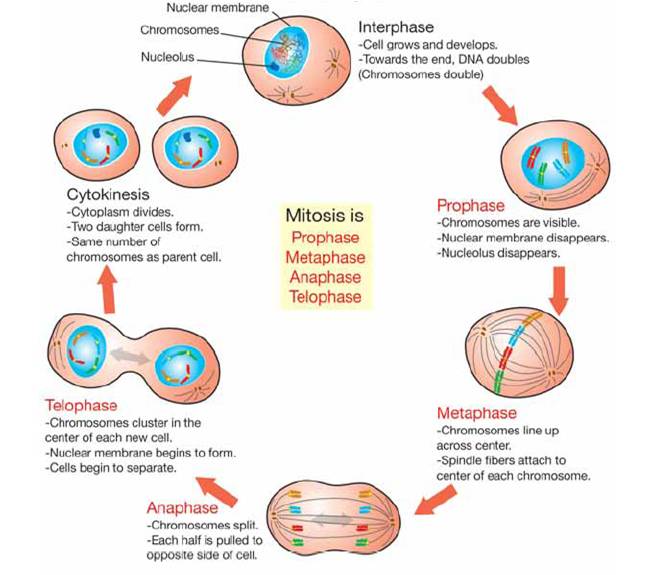
The Cell Cycle Wonders of Life Science
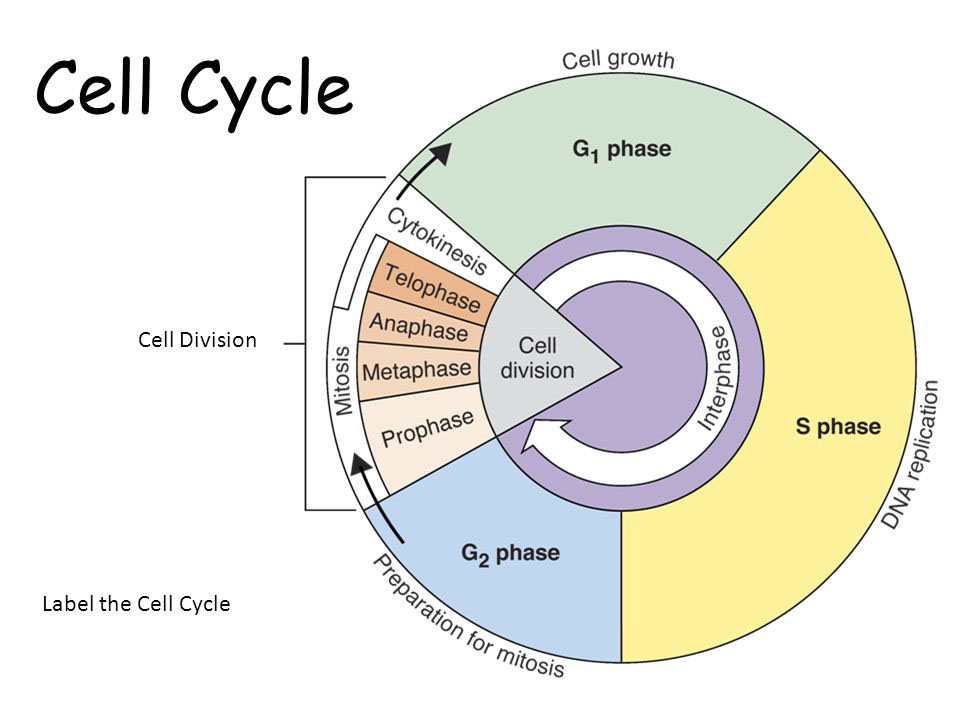
Phases of Cell cycle Online Biology Notes
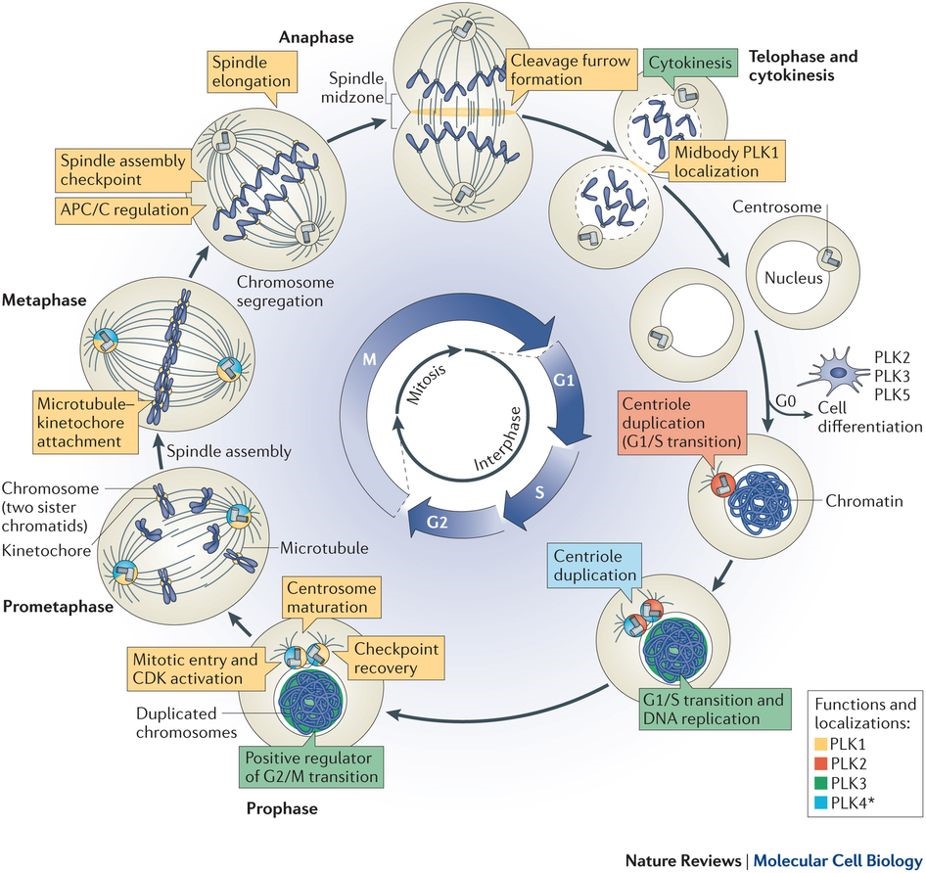
The Cell Cycle Interphase & Mitosis ALevel Biology Revision Notes
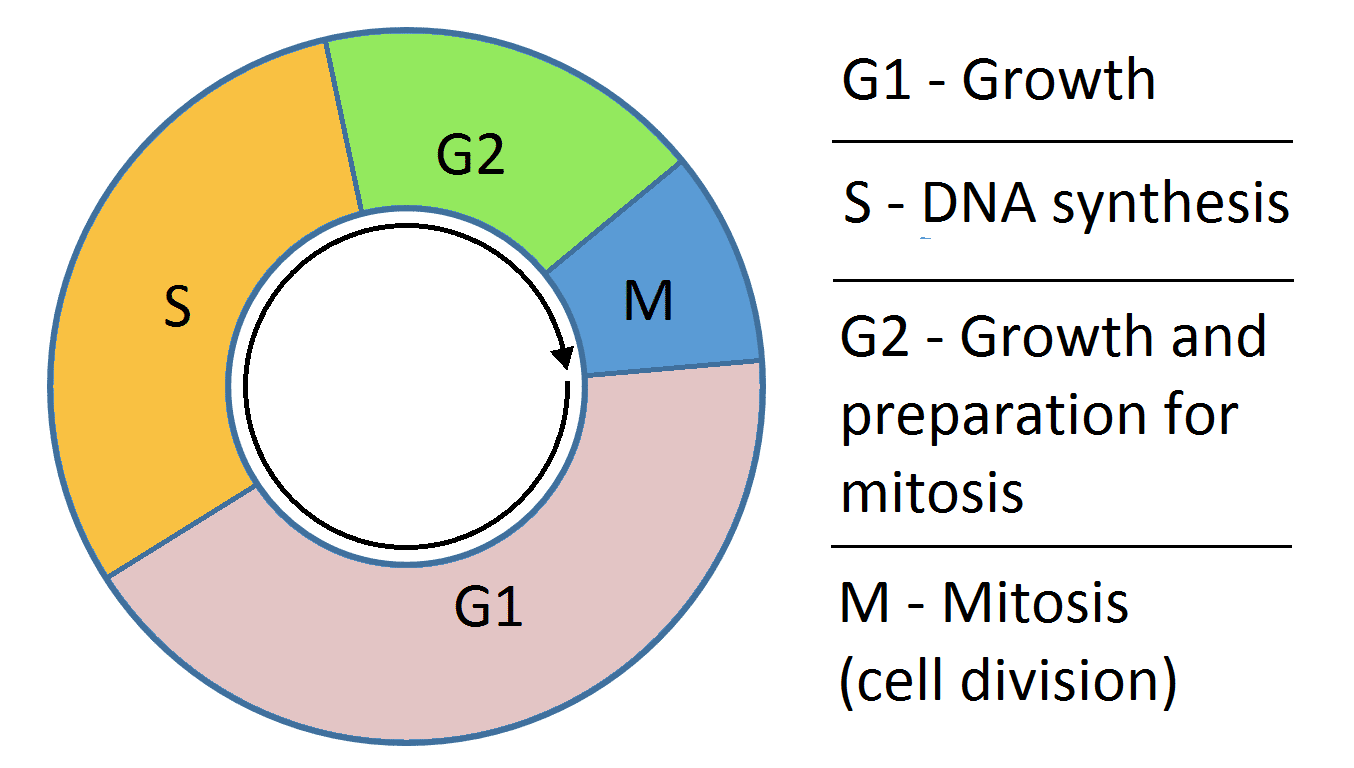
The Cell Cycle Phases Mitosis Regulation TeachMePhysiology
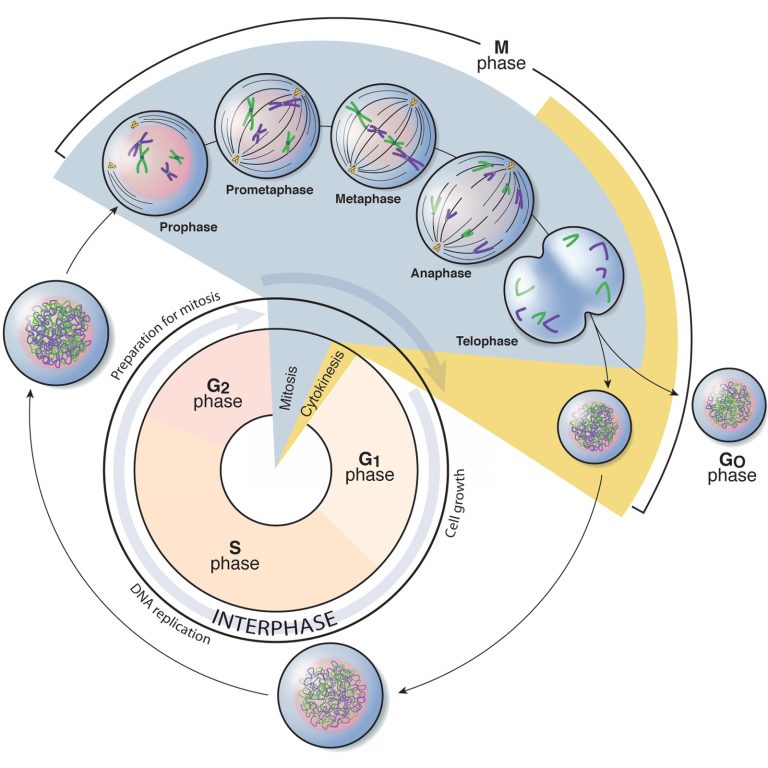
Phases of the cell cycle Battista Illustration
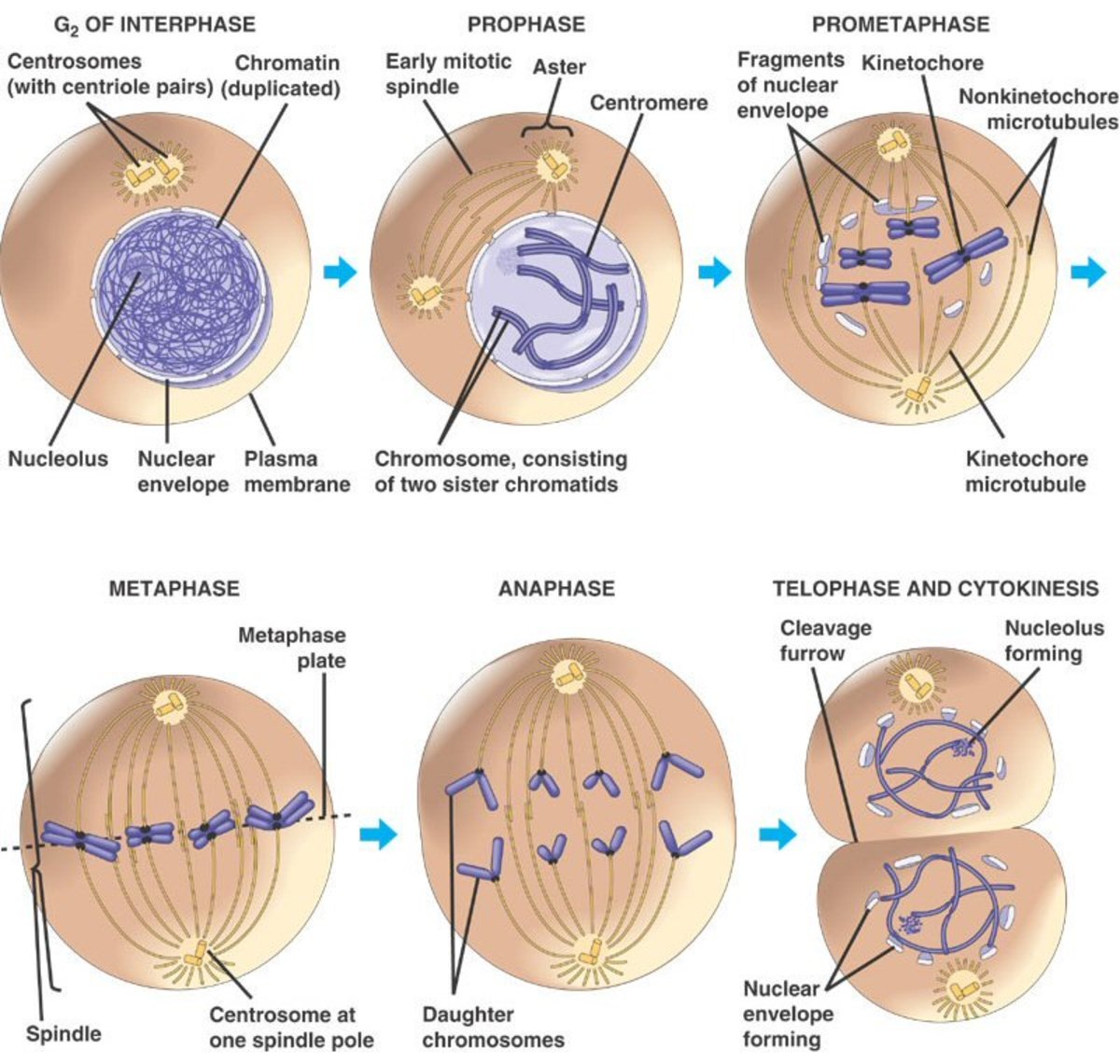
Stages of the Cell Cycle Mitosis (Metaphase, Anaphase and Telophase
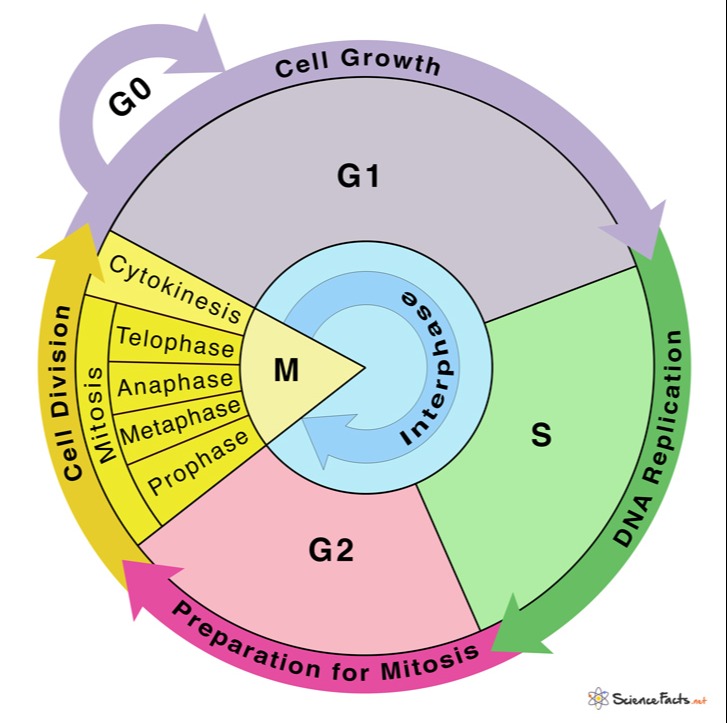
The Cell Cycle Study Guide Inspirit
Web Multiple Checkpoints Keep Track Of The Cell Cycle’s Entire Process To Prevent Mistakes In Growth And Dna Synthesis.
Web G 1 Phase.
Let's Draw A Timeline For A Cell.
Mitosis And Interphase.mitosis (Nuclear Division) Is The Most Dramatic Stage Of The Cell Cycle, Corresponding To The Separation Of Daughter.
Related Post: